


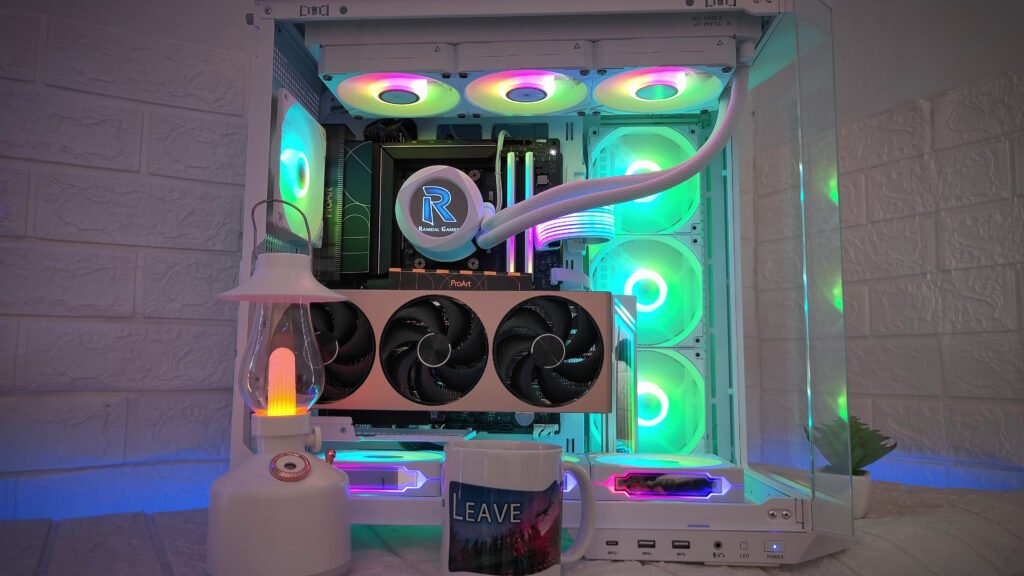
When I first built this PC, everything felt perfect. Silent, smooth, and exactly how a high-end system should behave. But after some time, the cooler became louder than it should be, even at idle. What started as a small annoyance turned into a daily headache. And once I opened Gigabyte’s software to fix it, everything fell apart.
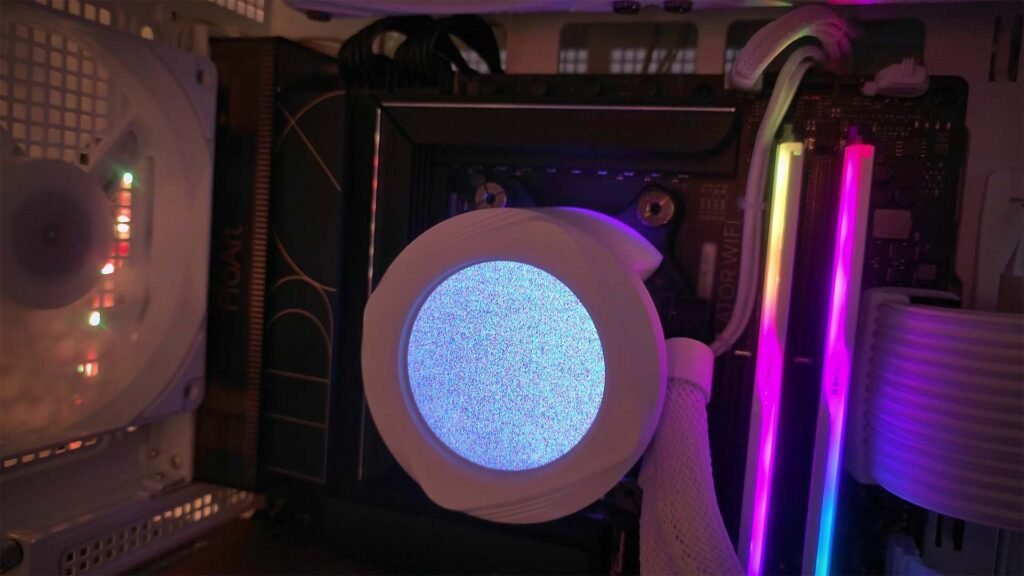
Hardware Problems
On paper the cooler looks solid, but in real use it fails quickly.
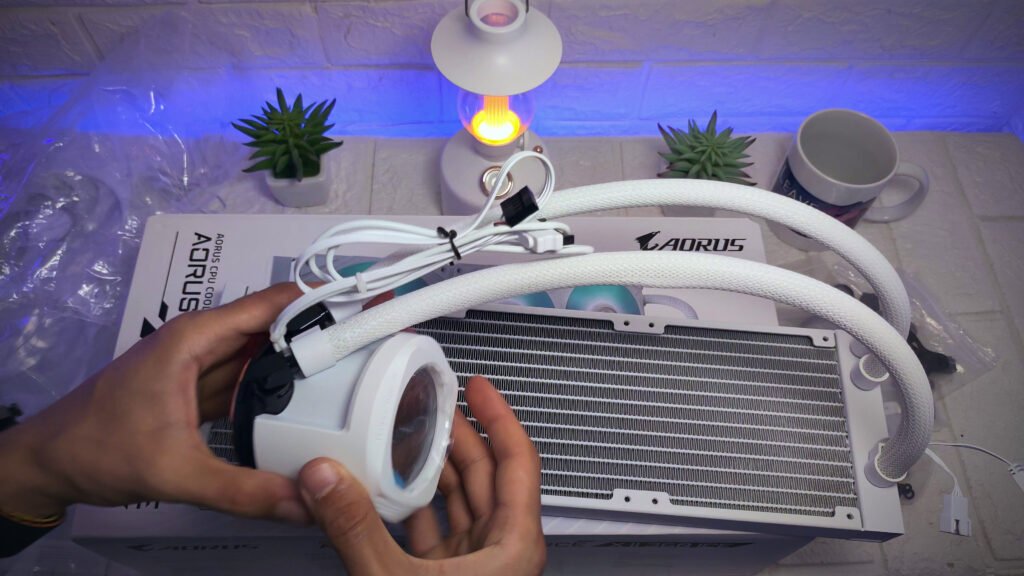
It gets loud with almost no load, the LCD quality is nowhere near what its price suggests, and both the pump and fans constantly sound stressed. Even before touching the software, the experience does not feel premium.
The Real Problem Appears
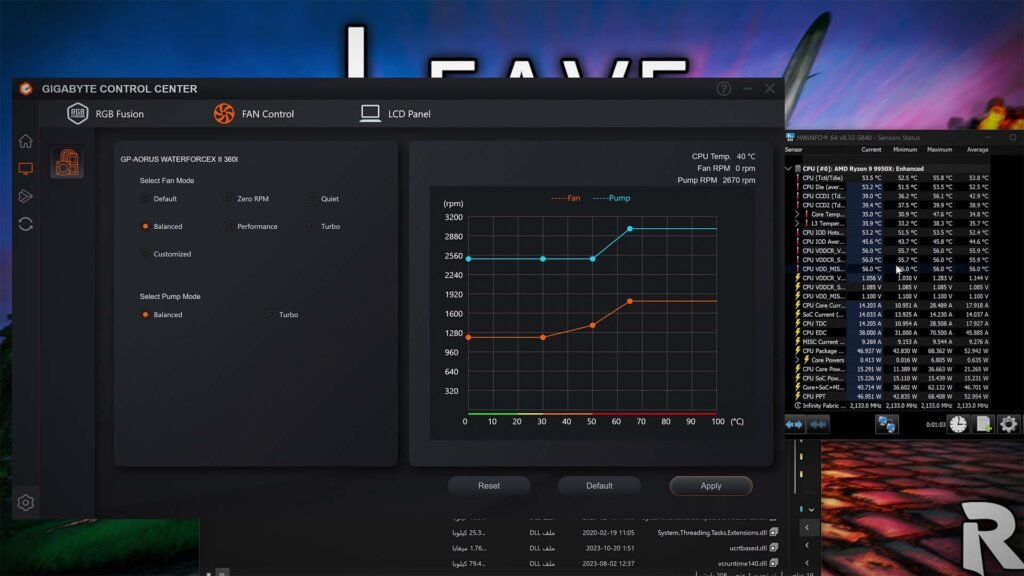
Gigabyte’s GCC software is where everything collapses.
You are forced to use it because the pump has no PWM connector. Pump control is extremely limited, there is no custom mode, and the interface feels locked down, unstable, and slow. Settings take forever to apply, bugs appear everywhere, and crashes are common. At this point, it was clear:
If I wanted this cooler to work properly, I need to fix the software myself.
Reverse Engineering the Software
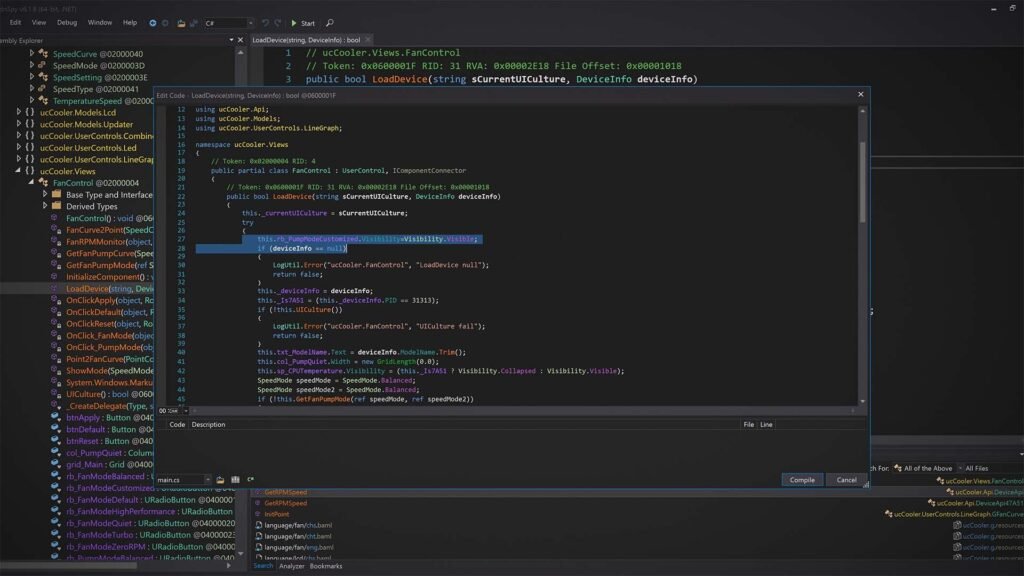
I started by checking the running services and found the Aorus LCD service, a .NET C# assembly that could be decompiled in dnSpy. That exposed the structure of the entire control system. Inside the DLLs I found how cpuinfo.ini is generated, how temperatures are read, and how commands are sent to the cooler. I bypassed the temperature method to test pump behavior. In UcCooler.dll I discovered all the logic for pump modes, fan curves, and speed limits, including a hidden pump mode called Customized that Gigabyte intentionally disabled. After making it visible and forcing it as the default mode, I gained full control over the pump curve. Removing the hard-coded 1000 RPM limit unlocked the full PWM range, allowing both pump and fans to operate from 0 RPM upward. The actual GCC app turned out to be unnecessary, only the background service was required for sensor updates. The restrictions were not technical. They were artificial.
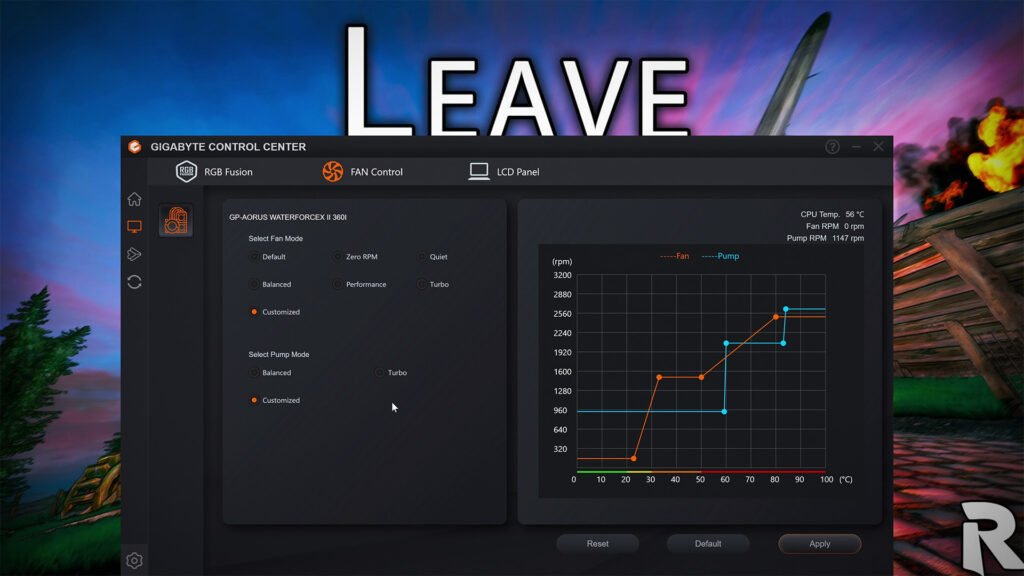
Unlocking Everything
Once the locks were removed, I restored real custom curves, unlocked full pump control, removed the RPM floor, and finally made the cooler behave like normal hardware. With the software out of the way, the product became usable for the first time.
Final Thoughts
The Aorus Waterforce X II fails to justify its price. The hardware is weak, the LCD is disappointing, and the noise levels are embarrassing for something sold as premium. But the software is what ruins the entire experience. Locked controls, slow performance, crashes, and unnecessary limitations make the cooler almost unusable. If you buy this cooler, the hardware is already a problem, but the software is what guarantees a bad experience.
You can watch the full breakdown on my channels Mohamed Haftari and Mohamed Haftari EN.